Reports, Papers and Other Resources
The Society publishes reports on all of its lectures, some of its visits, selected members papers and suggested reading material in its bookshelf. These can all be found in date order below.
The Society also published a monthly bulletin, the archive for these can be found here.
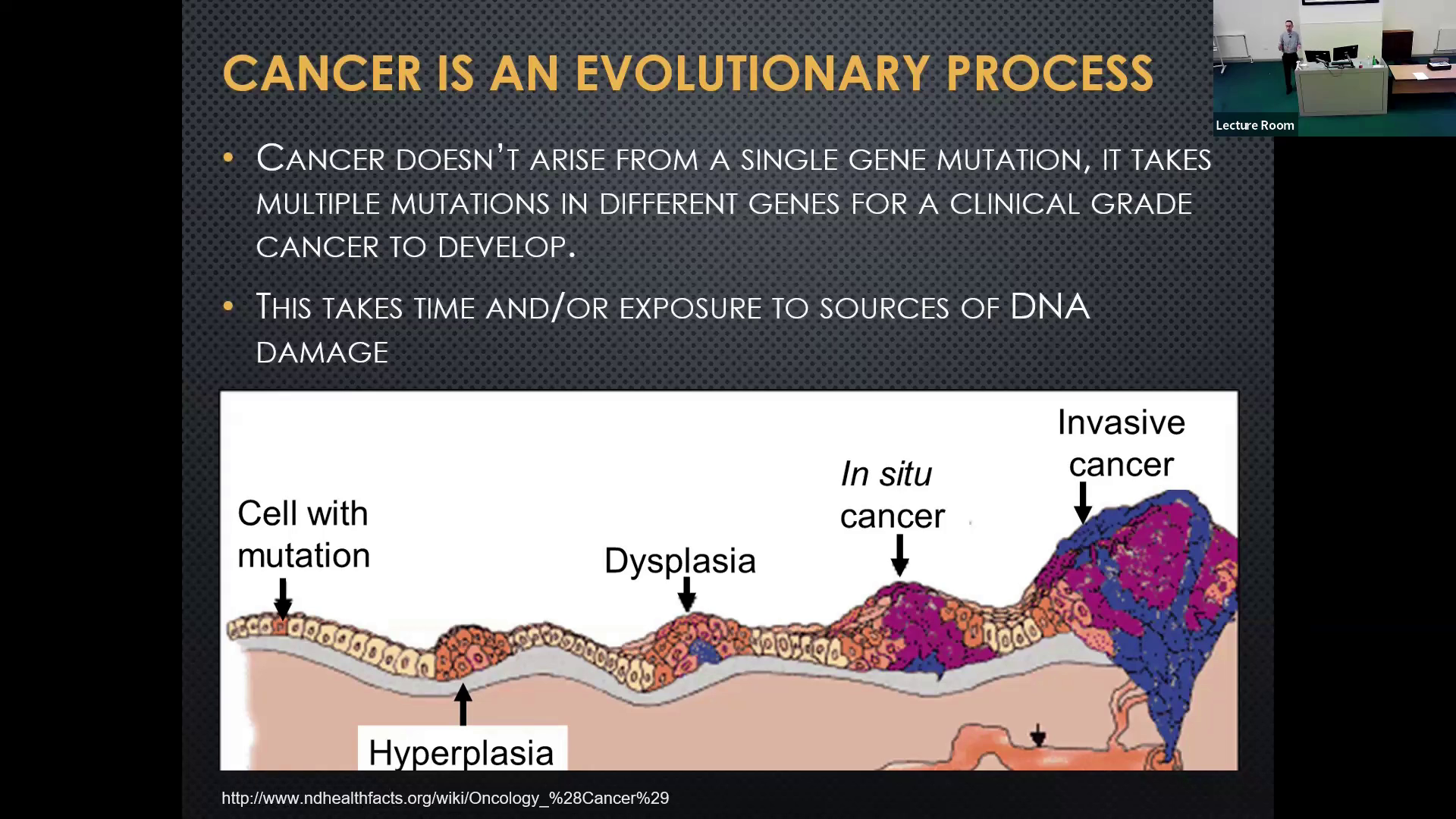
A talk presented to the Cirencester Science & Technology Society by Dr Daniel H. Stones BSc, MSc, MRes. PhD, FHEA on the effects of dietary iron on bowel cancer.
Joint lecture with Royal Society of Chemistry, speaker selected by RSC
- Details
- Category: Lecture Reports
- Date: Wednesday, 13 Mar 2024
- Dr Daniel H. Stones BSc, MSc, MRes. PhD, FHEA
- Senior Lecturer in Biosciences, University of Gloucestershire
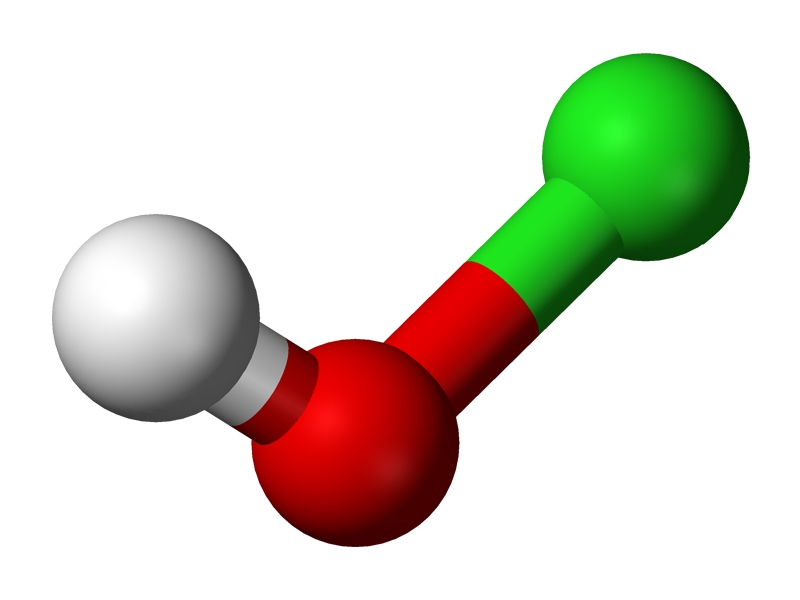
A talk presented to the Cirencester Science & Technology Society by Dr Hugh Martin and Dr Christopher Wise about Hypochlorous Acid and its wonderful antibacterial properties.
- Details
- Category: Lecture Reports
- Date: Wednesday, 14 Feb 2024
- Dr Hugh Martin and Dr Christopher Wise
- Honorary Fellow of the RAU, and CSTS Member
A talk presented to the Cirencester Science & Technology Society by Dr Nigel Wright, recently retired Programme Manager at Thales Alenia Space UK.
The talk discussed the various technical challenges facing the engineering team during the design phase which were driven by its unique journey around the Solar System, and some of the results and discoveries which it gave us.
- Details
- Category: Lecture Reports
- Date: Wednesday, 10 Jan 2024
- Dr. Nigel Wright
- recently retired Programme Manager at Thales Alenia Space UK
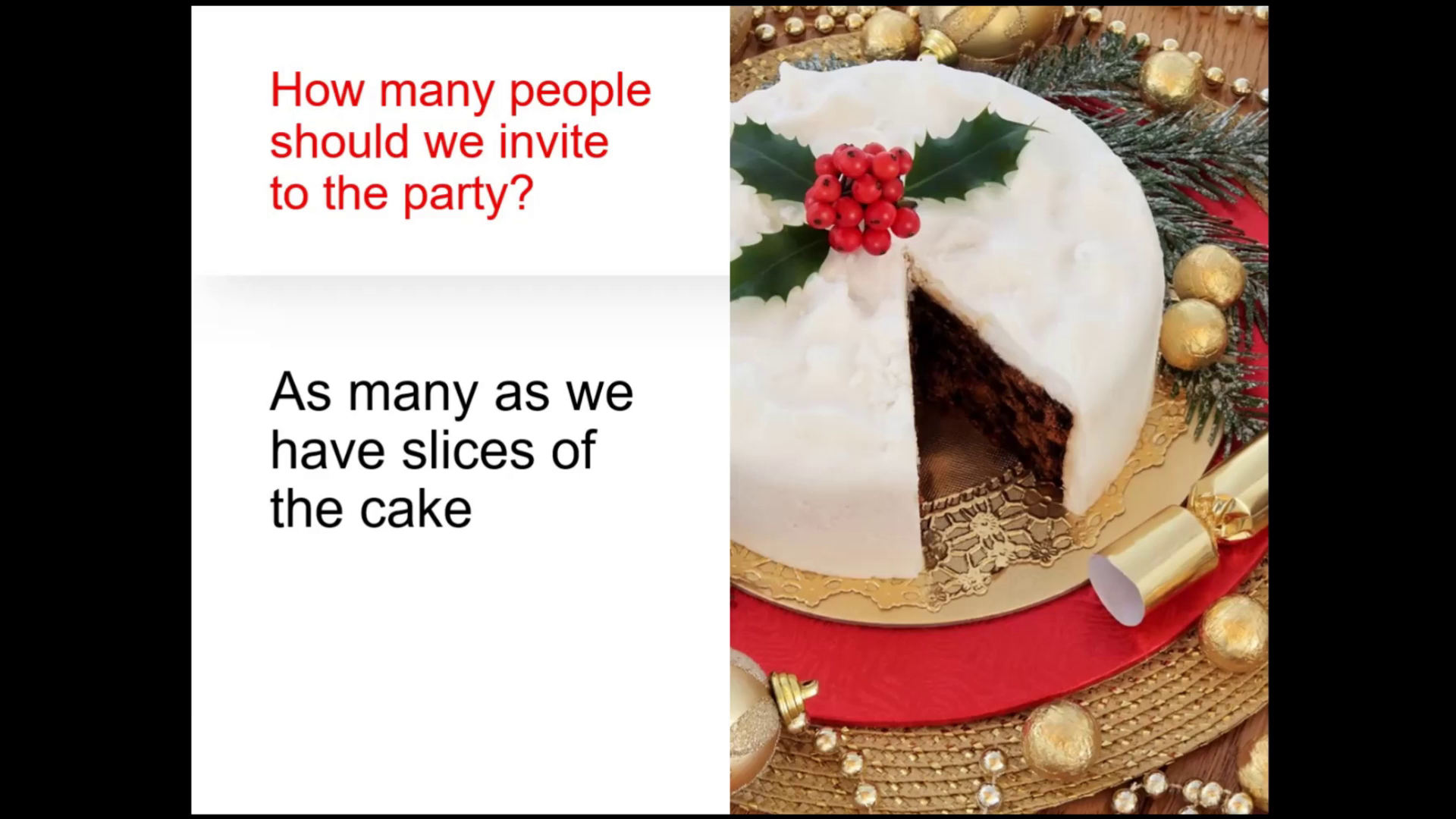
A talk presented to the Cirencester Science & Technology Society by Professor Chris Budd OBE which explains why Rudolf has a shiny nose, and many other important mysteries relating to Christmas.
The reasons turn out to be mathematical, and therefore obviously true!
- Details
- Category: Lecture Reports
- Date: Tuesday, 12 Dec 2023
- Professor Christopher Budd OBE
- Professor of Applied Mathematics, University of Bath
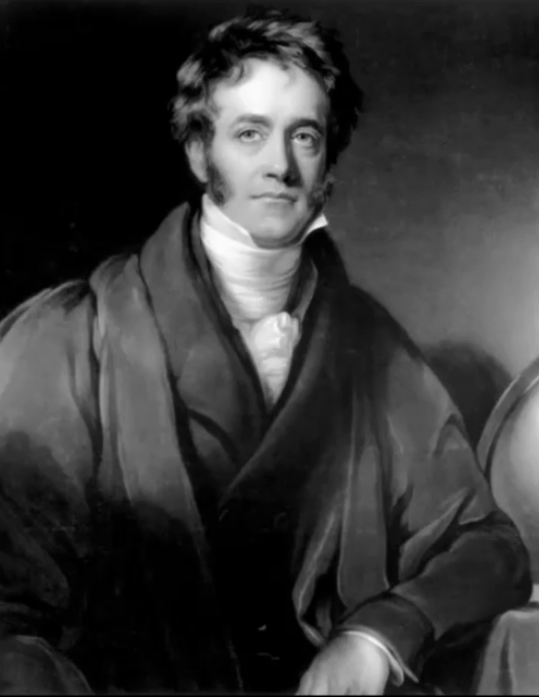
A talk presented to the Cirencester Science & Technology Society by Dr Michael McEllin, a member of the Society.
In February 1781 William Herschel was a successful musician on the Bath social scene: he was the director of public concerts, teacher, composer of many musical works and earning a respectable £400 per annum. By the end of March 1781 he was famous all over Europe as the discoverer of a new planet---the first since antiquity, and his telescopes were recognised as the best then available.
In 1782 the Royal Society awarded him the Copley Medal and elected him as a Fellow, while the King appointed him as `Court Astronomer' on a Royal Pension.In the following years that he devoted exclusively to astronomy he continued doing important work until his death in 1822, and perhaps most importantly was the first to pose some of the fundamental questions that have dominated the astronomical research agenda until the present day.
Caroline Herschel was born twelve years after William. Her face had been disfigured by smallpox and her early growth stunted by typhus so she was bluntly told by her mother that she was unlikely to marry and her fate was to stay at home and be the domestic drudge. Unlike her siblings she was even prevented from learning music or needlework: there was to be no escape route.
By the early 1780s she was, however, in Bath with William and singing the solo soprano role in Handel’s Messiah. By 1787 she was receiving her own Royal Pension and being treated with the greatest respect by the Astronomer Royal - the first women ever to hold a UK government appointment. As well as acting as her brother's astronomical assistant she is credited with a number of independent discoveries, including five comets, and recognised with major honours from academic bodies as the World’s first professional female astronomer.
Then there is the “forgotten” Herschel, Alexander, who spent most of his life in Bath as a professional musician. Although he never practiced astronomy, Alexander was a mechanical genius who help Herschel to “engineer” his telescopes. Whenever William required particularly fine or delicate mechanical work he said “Leave it till Alexander comes.”When Bath was “out of season” he would spend his holidays in William’s workshop, where he made lenses, turned brass and devised machines to help with mirror grinding.
How could this happen and why was Bath the one place in England where it could happen?
- Details
- Category: Lecture Reports
- Date: Wednesday, 8 Nov 2023
- Dr Michael McEllin
- CSTS Member
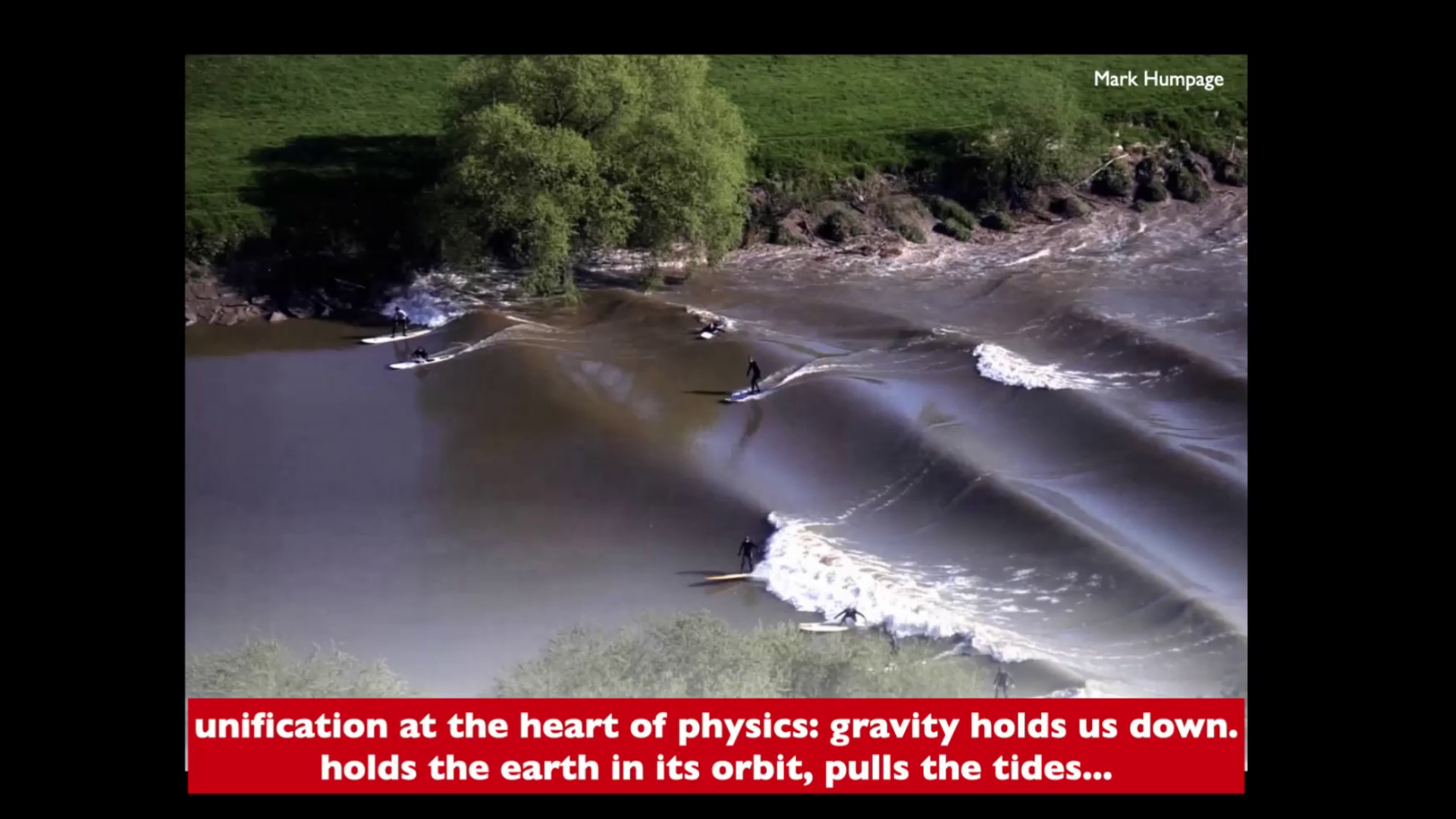
Sir Michael Berry reviews the history of tidal bores, explains why they happen and shares some records from around the world. He advises us how and when to best enjoy the severn tidal bore.
- Details
- Category: Lecture Reports
- Date: Wednesday, 13 Sep 2023
- Professor Sir Michael Berry FRS FRSE FRSA
- Melville Wills Professor of Physics (Emeritus), Bristol University
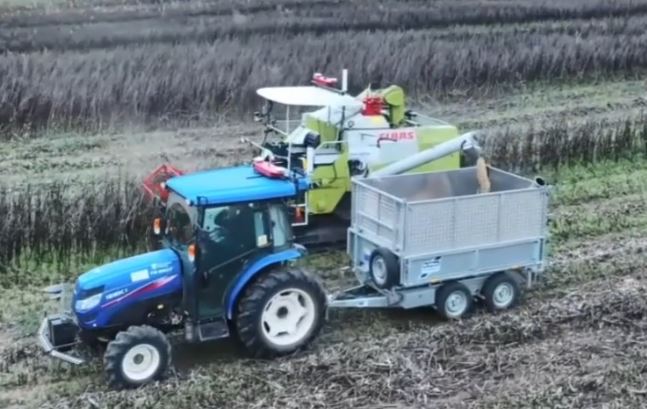
A talk delivered to Cirencester Science & Technology Society by Kit Franklin in June 2023.
Kit explains the mission and mechanics of his world-leading small-scale farm machinery automation, and talks about the Hands-Free Hectare, which produced a harvest without humans venturing onto the land.
- Details
- Category: Lecture Reports
- Date: Wednesday, 14 Jun 2023
- Kit Franklin MEng, CEng, MIAgrE
- Senior Engagement Fellow - Engineering, Harper Adams University
A talk presented to the Cirencester Science & Technology Society by Professor Chris Budd OBE, on the current state of machine learning and artificial intelligence, weighing up the benefits and risks.
- Details
- Category: Lecture Reports
- Date: Wednesday, 10 May 2023
- Professor Christopher Budd OBE
- Professor of Applied Mathematics, University of Bath
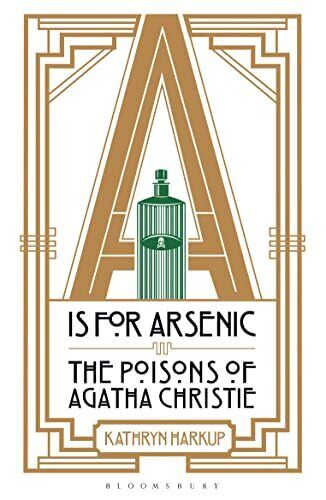
The talk discussed some of the poisons used in the plots of Agatha Christie, as described in Dr. Harkup's book "A is for Arsenic".
Dr. Harkup explained the details of three well-known poisons, Phosphorus, Strychnine and Arsenic, and showed that Agatha Christie's descriptions are accurate and detailed. At Dr. Harkup's request, only one of the poisons is included in the video.
- Details
- Category: Lecture Reports
- Date: Wednesday, 8 Mar 2023
- Dr Kathryn Harkup
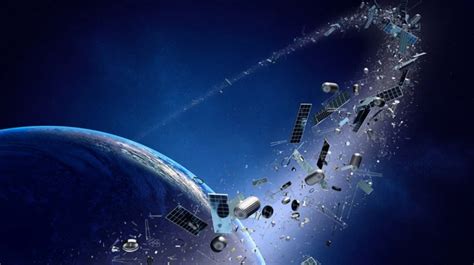
The video of this lecture is in progress
- Details
- Category: Lecture Reports
- Date: Wednesday, 8 Feb 2023
- Al Colebourn
- Astroscale, Head of Spacecraft Operations